



About Us
Explain to you how all this mistaken denouncing pleasure and praising pain was born and we will give you a complete account of the system, and expound the actual teachings. Mistaken denouncing pleasure and praising pain was born and we will give you complete account of the system expound.
About Us


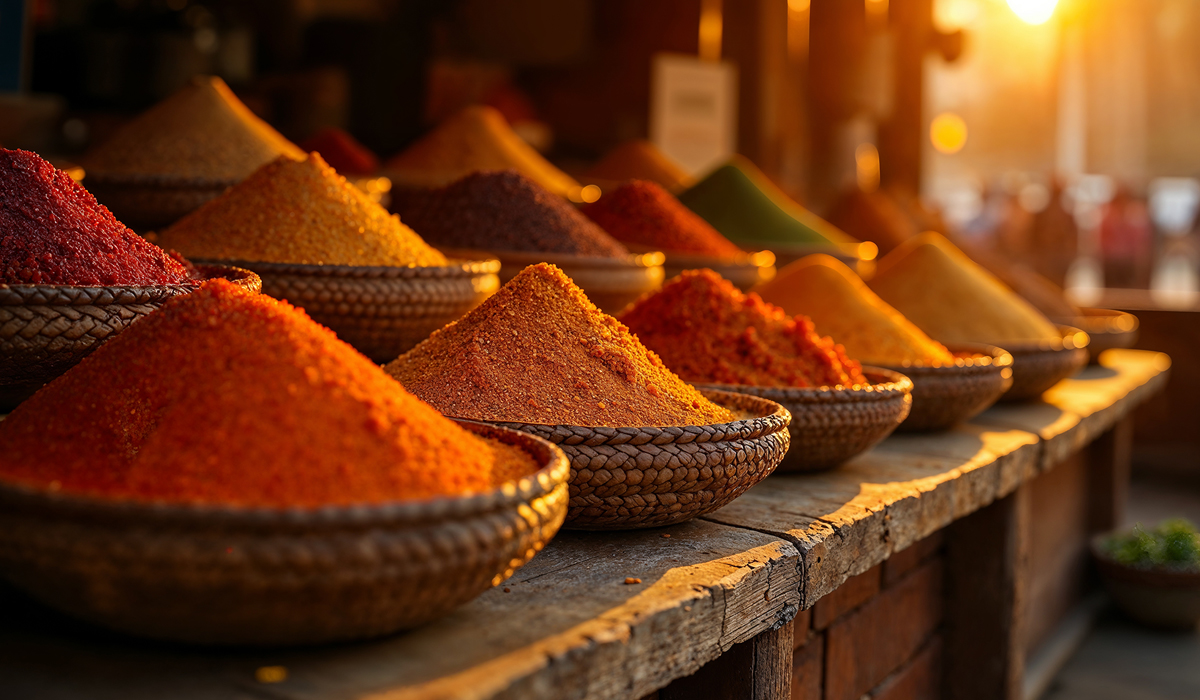
India's culinary scene is as varied as its culture, and at
the core of this lively cuisine is a wealth of spices. Indian spices serve not
only as flavor enhancers but also as narrators, healers, and cultural emblems
that have influenced the nation's past and persist in shaping its present.
In this blog, we will explore the essence of Indian
spices—their origins, their applications, and their significance in every
Indian kitchen.
A Concise
Overview of Indian Spices
For centuries, India has held the title of the spice capital
of the world. Ancient merchants from Arabia, Europe, and China traversed vast
oceans and arid deserts in pursuit of pepper, cardamom, and cloves. The
renowned Spice Route began in India, significantly impacting global trade and
colonial history.
Spices such as turmeric, black pepper, and cardamom were
valued not only for their culinary uses but also for their roles in rituals,
medicinal practices, and preservation.
10 Essential Indian Spices for Every Kitchen
- Turmeric - With its golden hue and earthy flavor, turmeric is recognized for its anti-inflammatory benefits and is a key ingredient in curries and dals.
- Cumin - Imparts a nutty, warming taste. Commonly utilized as a tempering agent in dals and vegetable preparations.
- Coriander - Exhibiting a slightly citrusy and sweet profile, coriander is used in both powdered and seed forms across nearly all Indian recipes.
- Mustard Seeds - Incorporated in pickles, chutneys, and as a tempering spice in South Indian cuisine.
- Fenugreek - Contributes a mildly bitter flavor—frequently found in pickles and lentil dishes.
- Cardamom - Aromatic and sweet, cardamom is utilized in desserts, chai, and celebratory meals.
- Clove - Potent and fragrant, cloves enhance the complexity of biryanis and spice mixtures.
- Cinnamon - Present in both savory and sweet recipes, cinnamon is a staple in garam masala and various desserts.
- Red Chili Powder - Provides heat and vibrant color—varying from the mild Kashmiri to the intensely spicy Guntur chili.
- Asafoetida - A small amount suffices to season lentils and support digestion.
The
Utilization of Indian Spices in Culinary Practices
In contrast to Western culinary traditions, which typically involve adding spices at the conclusion of the cooking process, Indian cuisine employs a method known as "tadka." This technique involves tempering spices in heated oil to extract their essential oils. As a result, this process contributes a profound aroma and flavor foundation to the dish.
Health Advantages of Indian Spices
- Turmeric: Combats inflammation and enhances immunity.
- Fenugreek: Assists in managing diabetes and cholesterol levels.
- Coriander seeds: Facilitate digestion and help regulate blood sugar levels.
- Cloves and cardamom: Promote oral health and increase metabolism.
- Indian spices are extensively utilized in Ayurveda, where food is viewed as medicine and maintaining balance is essential.
Guidelines for the Storage and Utilization of Indian Spices
- Keep spices in sealed containers, protected from light and humidity.
- Toast whole spices prior to grinding to enhance their fragrance.
- Incorporate fresh spice mixtures such as garam masala for richer flavors.
- Begin with small amounts—spices are powerful, and a small quantity is sufficient.
Spices
Without Boundaries
Indian spices have journeyed well beyond the confines of
Indian kitchens. In contemporary times, turmeric lattes can be found in cafés
throughout New York and London, while garam masala features prominently in
international fusion dishes. The world is finally recognizing what India has
understood for centuries—spices are essential to life.
Final
Reflections
Indian spices transcend mere ingredients—they embody
history, tradition, and wellness encapsulated in small, fragrant marvels.
Whether you are preparing your inaugural curry or perfecting your biryani,
familiarizing yourself with your spices will enhance your appreciation for
Indian cuisine.
Therefore, do not hesitate—unseal your spice box and allow
your kitchen to flourish with the vibrant colors, enticing aromas, and
enchanting essence of India.
-
 Dec 16, 2025 Why Purchase Organic Spices from Kerala?
 -
 Dec 16, 2025 All About Cardamom – The Queen of Spices
 -
